The Ultimate Comparison of Popular Coffee Brewing Methods for Home Baristas
The Scientific Research Behind Coffee Developing: Exactly How Temperature and Time Affect Your Drink
Comprehending the science behind coffee brewing discloses that temperature and time are not plain variables however essential aspects that dictate the beverage's taste account and total top quality. The ideal brewing temperature usually drops between 195 ° F and 205 ° F, while the duration of removal varies substantially across different methods. This interaction of aspects can lead to a cup that is either wonderful or disappointing. As we discover the subtleties of these components, the inquiry arises: how can one successfully balance temperature and time to achieve that excellent mixture?
The Chemistry of Coffee Extraction
The chemistry of coffee removal delves right into the intricate procedures that transform raw coffee beans right into the fragrant beverage delighted in worldwide. This makeover largely entails the solubility of different compounds present in the beans, which are affected by aspects such as work size, water high quality, and the brewing technique utilized.
Throughout the brewing procedure, warm water serves as a solvent, removing soluble compounds, including high levels of caffeine, acids, sugars, and lipids, from the coffee grounds. Each compound contributes to the flavor account, fragrance, and body of the final drink. Acids are accountable for appetizing and bright notes, while oils contribute to an abundant mouthfeel.
The removal procedure is not consistent; various compounds dissolve at various prices. The first phases of developing extract acids and sugars, resulting in a positive level of acidity, while prolonged extraction can lead to resentment as a result of over-extraction of unfavorable compounds. Comprehending these chemical communications is crucial for maximizing developing techniques, as the equilibrium in between removal time and water temperature level can significantly influence the overall quality of the coffee. Ultimately, mastering the chemistry of coffee extraction is essential to attaining a well-rounded and flavorful mug.
Perfect Brewing Temperatures
Locating the appropriate brewing temperature is crucial for opening the full possibility of coffee tastes and aromas - coffee brewing methods. Research study indicates that the optimal variety for brewing coffee exists between 195 ° F to 205 ° F(90 ° C to 96 ° C) Within this range, the removal process effectively liquifies the desirable soluble substances in coffee beans, causing a savory and balanced mug
Brewing at reduced temperatures, such as listed below 195 ° F(90 ° C ), might result in under-extraction, yielding an acidic and weak brew with muted flavors. Conversely, developing at temperatures surpassing 205 ° F(96 ° C) can lead to over-extraction, creating a bitter and extreme preference due to the too much dissolution of undesirable substances, such as tannins.
Additionally, the suitable brewing temperature can differ depending on the coffee bean kind and roast level. For circumstances, lighter roasts typically profit from slightly higher temperature levels to boost their intricate taste profiles, while darker roasts may be better fit to lower temperatures to mitigate resentment.
Ultimately, keeping accuracy in developing temperature levels is crucial for achieving an unified equilibrium of flavors, making certain that every mug of coffee delivers a rewarding sensory experience.
Effect of Developing Time
Developing time plays an essential function in figuring out the flavor account and total high quality of coffee. The extraction process, which influences the preference, scent, and body of the beverage, is greatly reliant on how much time the coffee premises touch with water. Much shorter brewing times can lead to under-extraction, bring about a weak or sour flavor, as inadequate soluble compounds are dissolved. Conversely, long term developing can cause over-extraction, where unfavorable compounds are launched, causing an astringent or bitter preference.
Optimum brewing time varies relying on the technique used and the grind size of the coffee. For example, a French press generally requires about 4 minutes, while coffee extraction is typically completed within 25 to 30 seconds. It is necessary to calibrate developing time in conjunction with other variables, such as water temperature and coffee-to-water proportion, to accomplish the wanted flavor profile.
Comprehending the impact of brewing time makes it possible for coffee fanatics to improve their brewing methods, ultimately boosting the sensory experience of their mug (coffee brewing methods). With cautious attention to this variable, one can unlock the complete possibility of the coffee, revealing its distinct attributes and subtleties
Developing Methods and Their Results
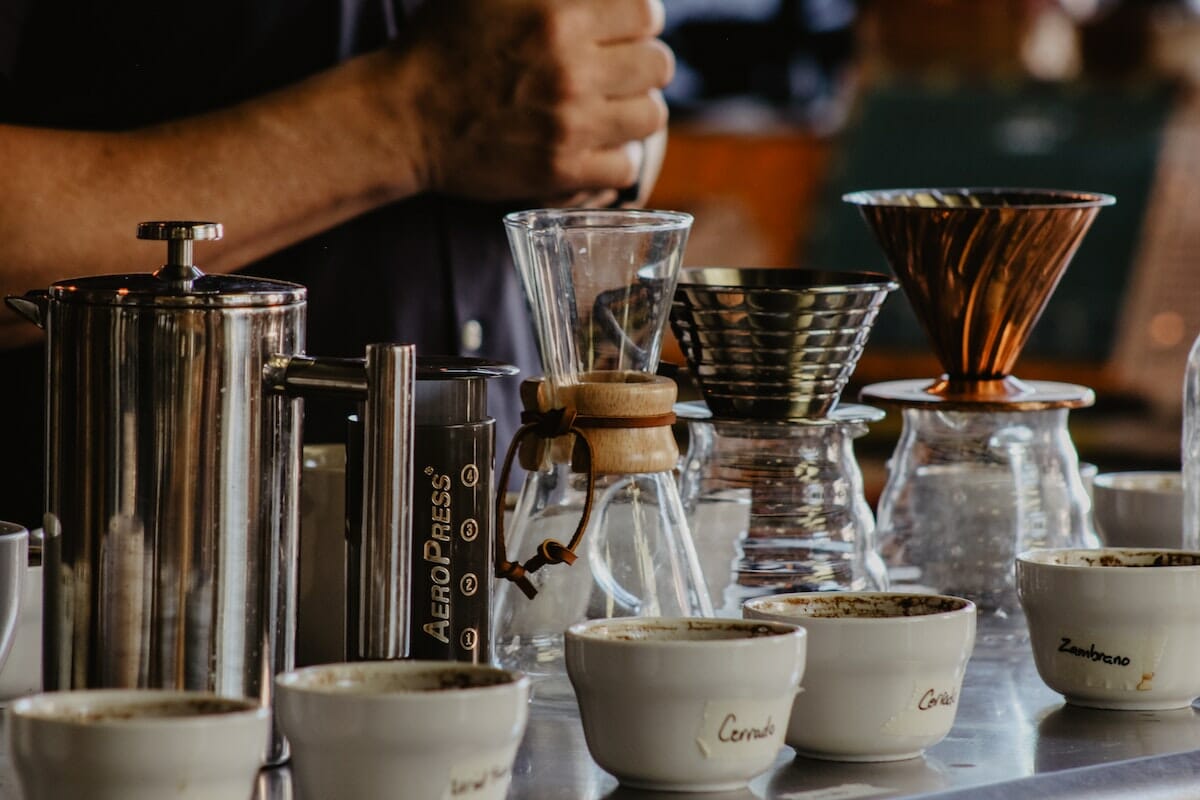
For example, approaches like French press and cold mixture allow for a longer steeping time, causing a fuller body and durable taste as a result of raised removal of oils and soluble solids. Alternatively, espresso brewing uses high pressure and a shorter extraction time, producing a concentrated shot that highlights extreme flavors and an abundant crema.
Pour-over techniques, such as Chemex or V60, provide an even more controlled extraction process, allowing the brewer to adjust circulation price and water circulation, which can improve illumination and quality. Meanwhile, percolation methods cycle water via the coffee grounds several times, causing a stronger, commonly bitter flavor.
Finally, the use of paper filters versus metal filters can additionally affect the final preference; paper filters typically produce a cleaner mug by trapping oils and great bits, while metal filters enable more oils to go through, adding to a fuller mouthfeel - coffee brewing methods. Recognizing these nuances can elevate the coffee experience dramatically
Tips for Developing Your Brew
A well-executed mixture can transform also the simplest coffee into an amazing experience. Grind the beans simply prior to brewing to optimize freshness, making certain the grind dimension matches your developing method-- coarser for French press and finer for espresso.
Water quality plays a critical function; usage filtered water without pollutants. The perfect brewing temperature level varies in between 195 ° F and 205 ° F(90 ° C to 96 ° C ) Too warm can blister the coffee, while too great might under-extract flavors.
Timing is similarly important. For immersion techniques, soaking for 3 to 5 minutes is ideal, whereas drip techniques generally why not try here take about 5 minutes. Try out mixture times to locate your recommended toughness.

Conclusion
In summary, the complex relationship between temperature and time is vital in the coffee developing process. Adhering to ideal developing temperature levels in between 195 ° F and 205 ° F, along with specific timing tailored to each approach, guarantees the desired flavor profile is achieved. Recognizing these clinical principles equips individuals to improve go right here their brewing strategies, inevitably causing a much more enjoyable and well balanced coffee experience. Proficiency of these elements is vital for any kind of coffee enthusiast looking for quality in their beverage.
Understanding the science behind coffee developing reveals that temperature level and time are not simple variables but crucial components that determine the beverage's flavor profile and total top quality. Comprehending these chemical interactions is vital for enhancing brewing strategies, as the balance in between extraction time and water temperature level can substantially affect the total quality of the coffee.Brewing time plays a critical function in figuring out the flavor account and total quality of coffee. By focusing on these components-- bean high quality, grind dimension, water temperature, steeping time, and proportion-- you can elevate your coffee brewing process, resulting in a constantly superior cup.
In recap, the elaborate partnership between temperature level and time is paramount in the coffee brewing procedure.